Police Badge Best Friend Police Officer Embroidery Review
As a designer who spends more time than I care to admit staring at stitch density charts and testing thread tension, I approach every new digital asset with a healthy dose of skepticism. We have all seen the endless stream of generic police-themed designs flooding marketplaces like Etsy and Creative Fabrica. Many are cluttered, poorly proportioned, or simply lack the visual punch needed to stand out in a crowded craft fair booth. However, when I first pulled up the Police Badge Best Friend Police Officer design file, my initial reaction was one of cautious optimism. It is not just another clip-art stamp; it feels like a thoughtfully constructed graphic intended for real-world application.
This review is not about marketing fluff. It is about practical judgment. If you are an embroiderer looking to add this to your inventory, or a hobbyist planning a heartfelt gift for a law enforcement family, you need to know how this design behaves under the needle. Does it hold up? Is it versatile? And most importantly, will your customers feel the value in the finished product?
First Impressions: Mood and Visual Personality
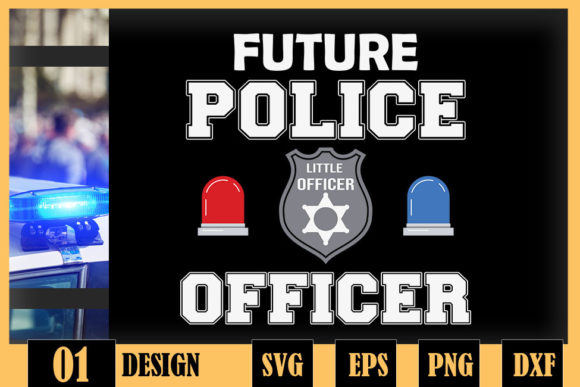
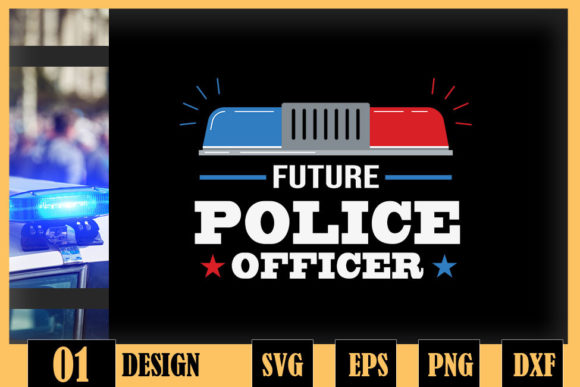
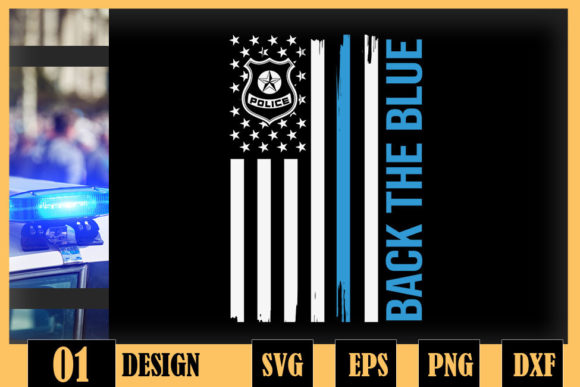
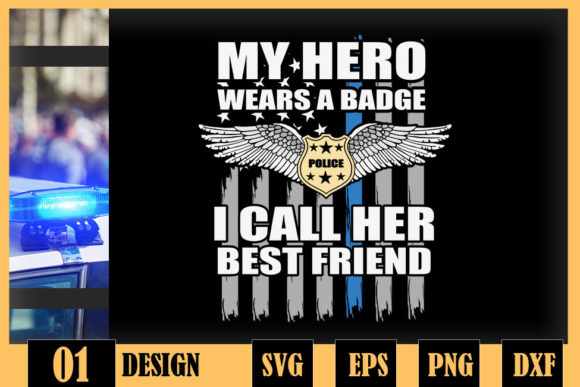
The core strength of the Police Badge Best Friend Police Officer design lies in its emotional resonance. The phrase "Best Friend" paired with the iconic badge shape creates an immediate narrative. It moves beyond simple patriotism or job pride and taps into the supportive network that surrounds officers—the spouses, parents, siblings, and close friends who share the burden and the pride. For designers selling personalized gifts, this distinction is crucial. You are not just selling a patch; you are selling a token of support.
Visually, the layout appears balanced. In machine embroidery, balance is everything. If a design is too heavy on one side, it can warp the fabric or look lopsided once stitched. This design seems to anchor the text around the central badge motif, creating a cohesive unit rather than disjointed elements. The mood is professional yet warm. It avoids the overly aggressive or militaristic aesthetic that sometimes plagues this niche, making it suitable for a broader audience, including those who might be hesitant to wear overtly political or aggressive imagery on their clothing.
Real-World Application: Where This Design Shines
I tested the conceptual application of this embroidery file across several common handmade product categories. Here is where I believe it performs best:
- Custom Apparel and Sweatshirts: This is perhaps the strongest use case. Placing this design on the chest of a high-quality cotton sweatshirt or a durable t-shirt creates a classic, wearable piece of merch. The badge shape translates well to standard hoop sizes, allowing for clean edges without excessive trimming.
- Tote Bag Designs: Canvas tote bags are a staple for craft fairs. The contrast between the sturdy canvas and the smooth satin stitches of a badge design creates a pleasing texture difference. It is a practical item that gets used daily, keeping the design visible and the brand top-of-mind for the recipient.
- Personalized Gifts and Baby Embroidery: While the theme is adult-oriented, the "Best Friend" aspect makes it suitable for older children or teenagers. However, be cautious with baby items. Unless the design is simplified, the intricate details of a police badge may get lost in soft baby knits. It works better as a nursery wall hanging or a keepsake blanket accent than on a onesie.
- Embroidered Patches: If you offer detachable patches, this design is ideal. The badge shape naturally lends itself to a circular or shield-shaped border. Customers love the versatility of being able to move the patch from a hat to a bag to a jacket.
- Holiday Embroidery and Corporate Gifts: During holidays or appreciation months (like National Police Week), businesses often look for bulk orders. This design strikes the right tone for corporate gifting—respectful, recognizable, and not overly casual.
Technical Considerations and Potential Pitfalls
No design is perfect, and knowing where to exercise caution is what separates a pro from an amateur. When working with the Police Badge Best Friend Police Officer graphics, there are specific areas where you must pay attention.
Small Details and Stitch Density: Police badges often contain small text, stars, or fine lines. If your design includes tiny lettering within the badge, test it thoroughly. On dark fabrics or textured materials like denim, fine details can disappear into the weave. I recommend reviewing the design in black and white mockups to check contrast before committing to expensive thread. If the stitch density is too high, you risk puckering, especially on lightweight fabrics. Always use a proper stabilizer—cut-away for stretchy fabrics like caps, and tear-away for stable woven fabrics.
Fabric Texture and Color: The success of this design hinges heavily on thread color selection. A gold or silver metallic thread can elevate the badge, but metallics can be temperamental, breaking easily if the tension is off. On dark fabrics, ensure your base fill stitches provide enough coverage so the background doesn't show through. Conversely, on light fabrics, be mindful of shadowing if you use lighter thread colors.
Curved Surfaces: If you plan to embroider this onto a cap or a curved surface, remember that distortion is inevitable. The "Best Friend" text must be placed carefully to avoid stretching across the curve in a way that becomes unreadable. It is often safer to keep complex text away from the extreme curves of a hat brim.
Practical Designer Notes for Execution
Before you start stitching or listing this item on your shop, follow these practical steps to ensure quality:
- Test on Scrap Fabric: Never run a new design directly onto your final product. Use scraps of the exact fabric and stabilizer you plan to use. Check for puckering, thread breaks, and registration issues.
- Check Hoop Size: Ensure the design fits comfortably within your standard hoop size with adequate margin for framing. If the design is large, you may need to split it or use a larger frame, which adds complexity.
- Inspect Small Details: Zoom in on the digital file. Are the lines too thin? Will the running stitch hold up after multiple washes? If the design relies on very fine detail, consider simplifying it by removing unnecessary internal lines.
- Confirm Licensing: This is critical. As a commercial designer, you must verify the license terms for the Police Badge Best Friend Police Officer assets. Some files are for personal use only. If you intend to sell finished products, you need a commercial license. Do not assume inclusion in a bundle grants you full rights; read the fine print.
- Thread Color Contrast: Experiment with thread colors. A navy blue badge on a black shirt might lack definition. Try contrasting threads to make the badge pop. Test both light and dark backgrounds to see which presentation enhances the visual appeal.
Final Verdict
The Police Badge Best Friend Police Officer design is a solid addition to any embroiderer’s library, provided it is executed with care. It has the emotional weight to drive sales in the personalized gift market and the visual clarity to work on a variety of products, from tote bags to custom apparel. It avoids the pitfalls of being too cluttered or too aggressive, making it a safe and appealing choice for a wide range of customers.
For Etsy sellers and small business owners, this design offers good versatility. It can be marketed as a gift for spouses, a tribute for retiring officers, or a symbol of friendship for community heroes. Just remember that the quality of the finished product depends entirely on your preparation. Take the time to test, stabilize properly, and choose high-quality threads. When done right, this design will not only look professional but will also build trust with your buyers, encouraging repeat business and positive reviews.
In the world of crafts and graphics, simplicity and sentiment win. This design delivers both. It is a practical, emotionally resonant tool for any creative entrepreneur looking to connect with the law enforcement community or their friends within it.