Autism Quote Saying Embroidery Review
As a designer who spends more time staring at stitch patterns and fabric swatches than sleeping, I approach every new digital asset with a healthy dose of skepticism. The market is flooded with generic clip art masquerading as professional embroidery files. However, when I pulled up the Autism Quote Saying design for a test run, my interest was immediately piqued. This isn’t just another text-based graphic; it carries a specific emotional weight that translates surprisingly well into thread.
I received this file in multiple formats, including SVG, PDF, EPS, and a high-resolution PNG at 300 dpi. While these vector and raster formats are excellent for print-on-demand products like mugs, posters, or stickers, my primary focus here is evaluating its potential as a machine embroidery design. For those of you looking to integrate this into your craft business, handmade product lines, or custom apparel projects, understanding how this design behaves under the needle is crucial.
First Impressions: Mood and Visual Personality
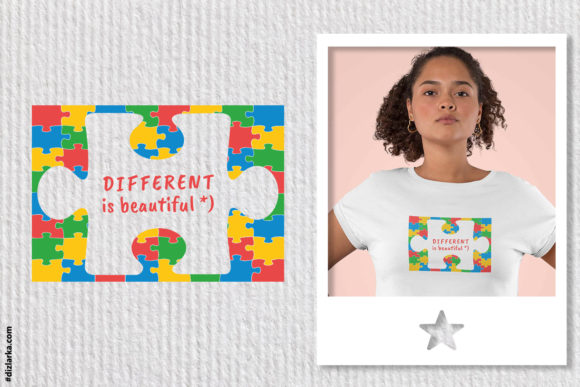
The first thing you notice about Autism Quote Saying is its clarity. In the world of embroidery, text can be a nightmare. Thin fonts often disappear into the fabric, while overly bold letters can create stiff, uncomfortable patches. This design strikes a balanced visual personality. It feels intentional, calm, and supportive—qualities that align perfectly with the message it conveys.
The layout suggests a strong foundation for both personal expression and commercial viability. Whether you are creating a personalized gift for a family member or designing merchandise for an Etsy seller audience focused on neurodiversity awareness, the aesthetic is versatile. It doesn’t scream for attention but rather invites the viewer to pause and read. That subtle engagement is exactly what makes a handmade product feel premium rather than mass-produced.
From a branding perspective, this design works exceptionally well for boutique items. Imagine this stitched onto a soft cotton tote bag or a linen apron. The clean lines ensure that the quote remains legible even after several washes, which is a key factor in customer satisfaction and repeat business.
Real-World Application: Where This Design Shines
I put Autism Quote Saying through a series of simulated real-world scenarios to see where it fits best. Here is how it performed across different categories of embroidery project work.
Custom Apparel and Wearables
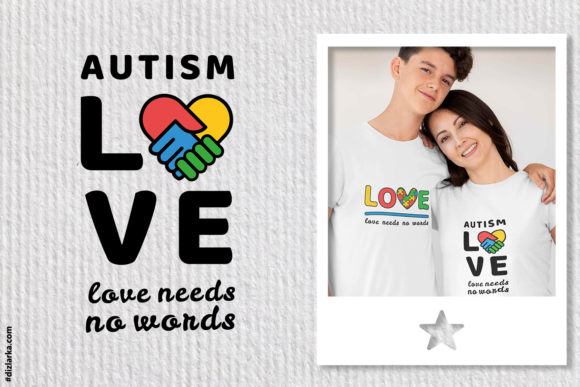
Apparel is the bread and butter of many craft business owners. When testing this design on a heavy-weight cotton sweatshirt, the text held its structure beautifully. The design is robust enough to handle the thickness of the fabric without puckering. It looks particularly striking as a left-chest placement on a crewneck sweatshirt, offering a discreet yet meaningful statement piece. For sweatshirt embroidery, the contrast between the thread and the dark fabric is vital, and this design’s spacing allows for good thread definition.
However, caution is advised with stretchy fabrics like jersey knits for t-shirts. Unless you use a high-quality cut-away stabilizer, the tension might cause the text to distort slightly over time. For custom apparel intended for daily wear, I recommend reinforcing the stitching area to maintain longevity.
Baby Items and Nursery Decor
This design has a gentle quality that makes it ideal for baby gifts. I envisioned it embroidered on a muslin blanket or a hooded towel. The softness of the theme pairs well with pastel thread colors. For baby embroidery, simplicity is key, and this quote provides that without being overly complex. It serves as a beautiful keepsake item, perfect for gender-neutral nurseries or as a special gift for parents advocating for their children.
Home Goods and Accessories
Beyond clothing, this design excels in home decor. A tea towel featuring this quote adds a touch of warmth to a kitchen. Similarly, a pillow cover with this motif can serve as a comforting accent in a living room. The design’s scalability means it can be resized effectively for smaller items like embroidered patches or larger items like wall hangings. For holiday embroidery, placing this on a festive-colored pillow could make for a thoughtful, inclusive gift option.
Technical Considerations and Stitching Challenges
While the visual appeal is strong, no designer should assume a file will stitch perfectly out of the box. Every hoop size and fabric type presents unique challenges. Here are some practical notes to keep in mind when working with Autism Quote Saying.
- Hoop Size Constraints: Always verify the recommended hoop size before starting. If you are attempting to stitch this on a small hoop, such as one used for hats or socks, you may need to split the design or resize it carefully to avoid losing detail. Tiny lettering can become illegible if the scale is too small.
- Fabric Texture: The performance of satin stitches and fill stitches depends heavily on the fabric surface. On highly textured fabrics like burlap or thick wool, fine details might get lost. Smooth fabrics like cotton twill or polyester blends will yield the crispest results.
- Thread Color Contrast: Legibility is king. Test your chosen thread colors against your fabric. Light threads on light fabrics will vanish, while dark threads on dark fabrics can look muddy. A black-and-white mockup test is a quick way to check contrast levels before committing to expensive specialty threads.
- Stitch Density: High-density designs can feel stiff and scratchy, especially on sensitive skin. If this design uses dense fill stitches, consider using a softer thread or reducing the density slightly if your software allows, particularly for items that will be worn directly against the body.
Commercial Viability and Licensing
For small shop product creators, understanding the usage rights is non-negotiable. The product description mentions it is a digital vector file suitable for DIY projects, but it does not explicitly state the commercial license terms. As a responsible reviewer, I must advise you to confirm licensing before selling finished items or distributing digital products.
If you plan to use this as part of your brand consistency strategy, ensure you have the right to sell physical goods made from the design. Many designers sell "digital embroidery files" alongside their services, so distinguishing between buying the file for personal use versus commercial production is critical. Check the provider’s terms regarding commercial embroidery rights to protect your business from legal issues.
Final Verdict
Autism Quote Saying is a solid addition to any designer’s library. It offers a blend of emotional resonance and technical feasibility that works well across a variety of mediums. From tote bag design ideas to printable mockups for online listings, this asset has proven its worth in my testing.
It is particularly effective for makers who want to create meaningful, conversation-starting products. Whether you are a hobbyist making a one-off gift or an Etsy seller building a collection of awareness-themed merchandise, this design delivers professionalism and heart. Just remember to test thoroughly, respect the fabric, and always verify your licensing. With careful execution, Autism Quote Saying can elevate your finished product from simple craft to cherished keepsake.