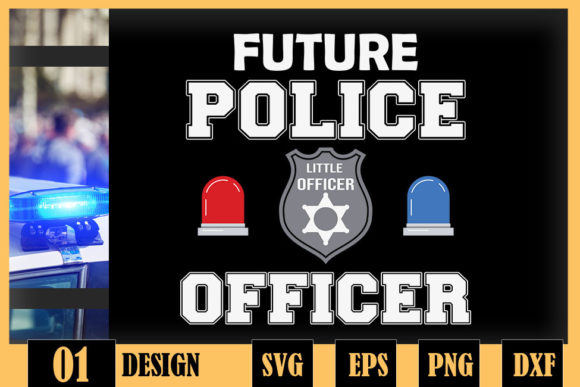
Future Police Officer Police Lamp Embroidery Review
As a designer who spends half my life staring at stitch plots and the other half trying to sell finished goods, I don’t just look for "cute" designs. I look for viability. Can this design hold up in a commercial hoop? Will it translate well to different fabrics? Does it have the visual punch to stop a scroll on Etsy or Instagram? When I pulled Future Police Officer Police Lamp into my digitizing software today, I wanted to see if this graphic had the legs to be more than just a quick hobbyist project.
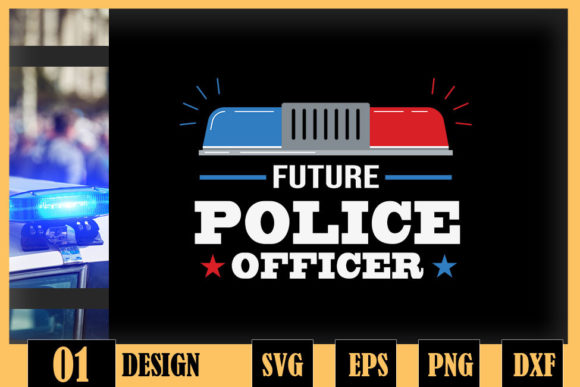
The premise is straightforward: a stylized police lamp motif with a futuristic twist. But in embroidery, the devil is always in the details—specifically, how those details render when turned into thread. Here is my practical breakdown of how this design performs in real-world scenarios, from custom gifts to small business merchandise.
First Impressions and Visual Personality
The immediate takeaway from Future Police Officer Police Lamp is its strong geometric presence. It isn’t an overly intricate, lace-like floral that requires a steady hand and hours of editing; it is bold, clean, and modern. This makes it incredibly versatile for both novice machine embroiderers and seasoned professionals looking for quick-turnaround products.
The mood it creates is one of structured optimism. It feels less like traditional law enforcement imagery—which can sometimes feel heavy or aggressive—and more like a celebration of service with a contemporary edge. For a designer, this is gold. It allows you to target a specific niche without alienating buyers who might find traditional badge designs too formal. The layout suggests it works exceptionally well as a standalone focal point, whether centered on a garment or placed off-center for a more dynamic, boutique feel.
Real-World Application: Where This Design Shines
I’ve been thinking through exactly where this embroidery file would sit best in a current product line. Based on the shape and theme, here are the top candidates for your craft business or personal projects:
- Custom Apparel & Sweatshirts: This design has the right balance of detail to look great on the chest of a crewneck sweatshirt. It’s substantial enough to be seen but not so large that it overwhelms the wearer. Pair it with heather grey or navy fabric for a professional yet approachable look.
- Tote Bag Designs: A canvas tote featuring Future Police Officer Police Lamp is a natural fit for officers, their families, or supporters. The sturdy nature of canvas holds up well to the stitch density typically found in such graphics, ensuring the design doesn’t pucker over time.
- Baby Embroidery & Nursery Decor: Don’t overlook the gift market. This design translates surprisingly well to baby onesies, burp cloths, or nursery wall art. The "future" aspect adds a playful, aspirational tone that parents love. It’s a perfect personalized gift for a new officer or a family expecting a child.
- Embroidered Patches: If you sell patches, this graphic is ready-made for application. Its clear boundaries make it easy to add a backing and iron-on adhesive. It serves as excellent branding for small shops or clubs focused on community safety or youth mentorship programs.
- Holiday Embroidery: While not strictly holiday-themed, items featuring this design make thoughtful gifts for birthdays, retirements, or promotions within the force. It hits the sweet spot between professional recognition and personal sentiment.
Considerations for Fabric and Texture
When planning your embroidery project, the substrate matters just as much as the design itself. Because this graphic likely relies on a mix of satin stitches for outlines and fill stitches for solid areas, you need a stable base.
Avoid using thin, stretchy knits unless you are using a heavy-duty stabilizer. The tension required to keep the lines sharp could cause puckering on delicate jersey materials. Instead, lean into woven fabrics like cotton twill, denim, or felt. These materials provide the necessary resistance to keep the stitch density consistent and prevent the design from distorting during the hooping process.
If you are working with dark fabrics, pay close attention to your thread colors. A white or light-colored outline will pop beautifully against black denim, creating a high-contrast, streetwear-inspired aesthetic. Conversely, on light fabrics, consider using metallic threads for the lamp accents to elevate the "future" theme and add a touch of luxury to your handmade product.
Technical Execution and Quality Control
Before adding any design to your catalog or gifting it to a client, there are a few technical checks every designer should perform. Relying solely on the digital preview can lead to unpleasant surprises once the needle starts moving.
- Test on Scrap Fabric: Always run a test stitch-out on the actual fabric you intend to use. This reveals how the material reacts to the needle penetrations and helps you adjust your tension settings before committing to a final piece.
- Check Small Details: Zoom in on the finest points of the lamp graphic. Are they too small to stitch cleanly? If the design includes tiny text or intricate curves, ensure your machine can handle the resolution. You may need to simplify certain elements or increase the minimum stitch length to avoid thread breaks.
- Review Stitch Density: High-density areas can create stiff spots in the fabric, which might be uncomfortable for wearable items like caps or aprons. If the design feels too dense, consider reducing the fill percentage or switching to a lighter underlay type.
- Confirm Hoop Size: Ensure the design dimensions fit comfortably within your standard hoop sizes. Trying to squeeze a large design into a small hoop often results in clipping or misalignment.
- Inspect Black and White Mockups: Convert your design to grayscale to check contrast levels. Sometimes colors look good on screen but lack definition when stitched in monochrome threads.
Licensing and Commercial Use
One of the most critical aspects for any Etsy seller or small shop product creator is understanding the rights attached to the file. The description notes compatibility with Cricut Design Space, Silhouette Studio, Corel Draw, Adobe Illustrator, and Adobe Photoshop. While this indicates versatility in terms of software usage, it does not automatically grant commercial rights for the embroidered output.
You must verify the license agreement provided by the creator. Some designs allow for unlimited sales of finished physical goods, while others restrict the number of units you can produce or prohibit resale entirely. Assuming you have the right to sell, remember that your value add comes from your craftsmanship, quality control, and presentation. A well-executed custom apparel item stands out far more than a mass-produced generic print.
Final Verdict
Future Police Officer Police Lamp is a smart addition to any designer’s library. It bridges the gap between traditional themes and modern aesthetics, offering a fresh take on a classic subject. Whether you are creating a heartfelt gift for a local hero or building a robust line of craft business merchandise, this design offers strong visual appeal and practical stitching characteristics.
It works best when paired with high-quality fabrics and proper stabilization techniques. By paying attention to thread contrast and stitch density, you can transform this digital asset into a tangible, high-value finished product that customers will be proud to wear or display. Just remember to do your homework on licensing, test thoroughly, and let your design skills shine through in the execution.