Dogs Laugh with Their Tails Review
As a designer who spends more time troubleshooting stitch paths than actually drinking coffee, I approach every new digital asset with a healthy dose of skepticism. We have all seen the endless stream of "cute" dog designs that look adorable in a preview but turn into a tangled mess on the hoop. Today, I am putting Dogs Laugh with Their Tails through its paces. This is not just about whether it looks nice; it is about whether it works when you are rushing to meet a deadline for an Etsy order or trying to create a heirloom-quality gift for a client.
First Impressions and Visual Personality
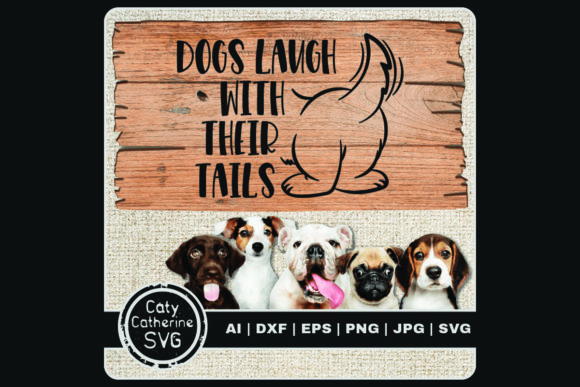
The moment you open the file, the mood is immediately established. The phrase "Dogs Laugh With Their Tails" suggests a lighthearted, joyful energy that translates well into visual form. Unlike many aggressive or overly complex graphic styles, this design feels organic and warm. It does not scream for attention; rather, it invites the viewer to smile. For embroidery designers, this subtlety is crucial. A design that relies too heavily on tiny, intricate details often loses its impact once stitched, especially if the thread count is high or the fabric texture interferes with the lines.
The layout appears balanced, which is essential for versatile application. Whether you are planning to center this on a sweatshirt chest or place it asymmetrically on a tote bag, the composition holds up. The visual personality fits perfectly within the broader categories of Crafts and Graphics, bridging the gap between digital art and tangible handmade products. It feels like a design meant to be shared, gifted, and worn with pride.
Real-World Application: From Screen to Stitch
Let’s talk about where this design truly shines. I imagine Dogs Laugh with Their Tails performing exceptionally well on soft, medium-weight fabrics. A cotton-blend hoodie or a heavyweight canvas tote bag would provide the perfect stability for the stitches. The emotional resonance of the quote makes it an ideal candidate for personalized gifts. Imagine a customer ordering a custom apron for a dog lover who bakes, or a nursery pillow cover for a child’s room. In these scenarios, the design adds value not just through aesthetics, but through emotional connection.
For the Etsy seller or small business owner, this design offers flexibility. It can serve as a standalone statement piece on a t-shirt, or it can be integrated into a larger scene. Because it is provided in multiple formats, including SVG and DXF, it opens up avenues beyond just machine embroidery. You could use the vector files for heat transfer vinyl (HTV) projects on caps or hats, expanding your product line without needing to purchase additional assets.
Consider the scenario of creating a boutique collection. A set of matching kitchen towels featuring this design could become a bestseller during the holiday season. The humor and warmth of the quote make it highly giftable. When customers see a finished product that elicits a genuine laugh or a nod of recognition, their trust in your brand increases. They see that you understand their taste and their love for their pets.
Technical Considerations and Potential Pitfalls
No design is without its challenges, and Dogs Laugh with Their Tails is no exception. While it looks great in a digital mockup, real-world embroidery introduces variables that can alter the final outcome. One area to watch closely is the lettering. If the font used for the quote has thin serifs or delicate curves, these areas may require careful digitizing to prevent puckering or breakage.
I strongly advise testing this design on a variety of fabrics before committing to a large production run. Textured fabrics, such as bouclé wool or heavy denim, can obscure fine details. Stretchy knits, common in baby clothes and activewear, require a sturdy stabilizer to prevent distortion. If you plan to embroider this on a curved surface like a baseball cap, pay close attention to how the text wraps around the front panel. Misalignment here can make a professional-looking item appear amateurish.
Another critical factor is color contrast. On dark fabrics, ensure that your thread colors provide enough visibility. Light threads on dark backgrounds can sometimes get lost, especially if the design includes subtle shading or gradient effects. Conversely, very dark threads on black fabric will disappear entirely. Always review your design in a black-and-white mockup to check the hierarchy of elements. This simple step helps identify if any parts of the design might get lost in the stitching process.
Stitch Density and Stability
The stitch density of the design plays a major role in its durability. High-density fill stitches can make a fabric stiff and uncomfortable, particularly on garments that need to drape softly. If the design uses dense fills for the background or large areas of text, consider adding negative space or using a lighter stitch pattern to maintain comfort. For items that will undergo frequent washing, such as aprons or tote bags, ensuring proper underlay stitches is essential to keep the design flat and secure.
When working with small hoop sizes, detail becomes even more important. Tiny elements may merge together if the hoop is too small, resulting in a muddy appearance. Confirm the minimum recommended hoop size for this design before placing it on smaller items like baby onesies or small patches. If the design requires a larger hoop, it may not be suitable for those specific products.
Practical Tips for Embroidery Designers
- Test on Scrap Fabric: Always run a test stitch-out on the exact fabric you intend to use. This reveals issues with tension, thread balance, and fabric behavior that cannot be predicted from a screen.
- Check Thread Colors: Experiment with different thread palettes. Sometimes a slightly darker shade of blue can make white highlights pop more effectively against a navy background.
- Inspect Small Details: Zoom in on the digital file and inspect the corners of letters and curves. Look for potential overlap or gaps that might cause stitching errors.
- Use Proper Stabilizer: Match your stabilizer to your fabric. Cut-away stabilizers are generally better for stretchy fabrics, while tear-away stabilizers work well for woven materials.
- Verify Licensing: Before selling finished products, confirm the licensing terms of the digital embroidery file. Ensure you have the right to sell physical items made from the design, especially if you are operating a commercial enterprise.
Final Verdict
Dogs Laugh with Their Tails is a charming, versatile design that brings joy and personality to any project. Its strength lies in its emotional appeal and adaptability across various media. While it requires standard due diligence regarding fabric choice and stabilization, it rewards the designer with a high-quality result that resonates with customers.
For the creative entrepreneur looking to add a touch of humor and warmth to their inventory, this design is a solid addition. It fits seamlessly into collections focused on pet lovers, home decor, and personalized gifts. By approaching the digitization and production process with care, you can transform this digital asset into a beloved handmade product that stands out in a crowded market.
In conclusion, if you are ready to create something that makes people smile, this design delivers. Just remember: the magic happens in the details. Take your time, test thoroughly, and let the quality of your craftsmanship speak for itself.