Back the Blue Thin Blue Line USA Flag Review
As a designer who spends half my life troubleshooting stitch errors and the other half trying to create products that actually sell, I don’t just look at an embroidery file and see code. I see a finished product sitting on a rack, or hanging on a wall in someone’s home. When Back the Blue Thin Blue Line USA Flag landed on my desk for evaluation, I didn’t just open it in my digitizing software; I immediately started thinking about where this design would live in the real world. This is not just another patriotic graphic. It is a statement piece with specific visual weight, and understanding how it translates from screen to fabric is critical for any Etsy seller, small business owner, or serious hobbyist looking to add meaningful items to their catalog.
First Impressions and Visual Personality
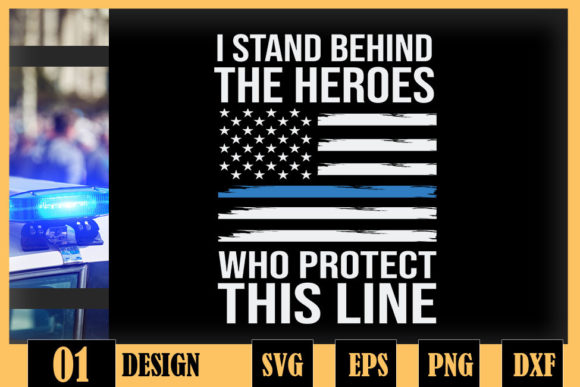
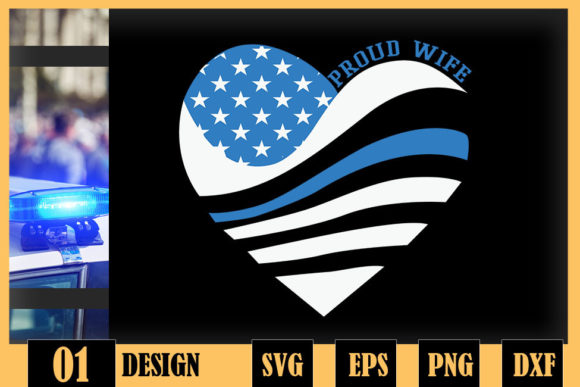
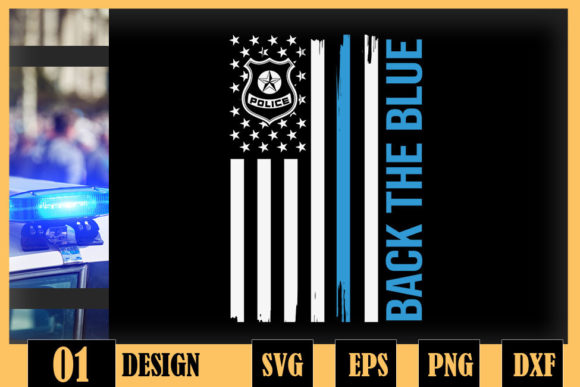
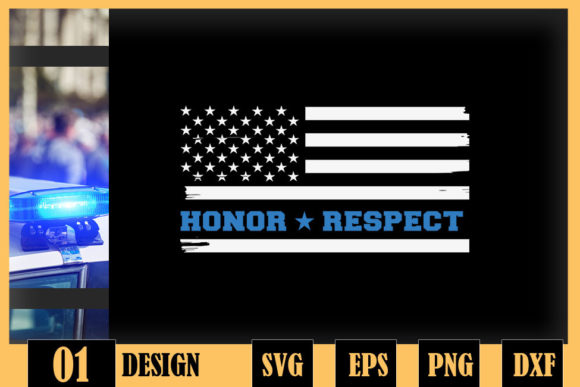
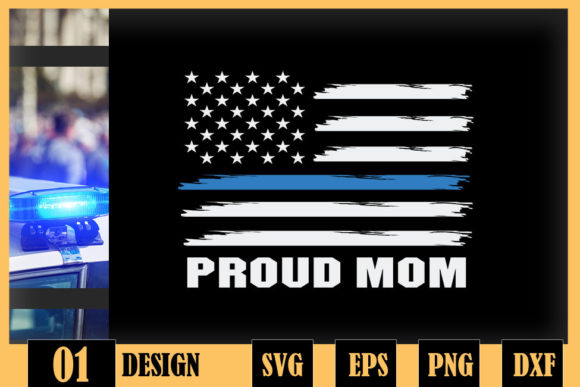
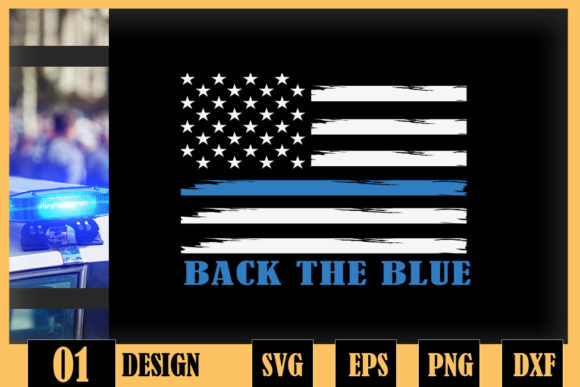
The moment you load the Back the Blue Thin Blue Line USA Flag into your workspace, the mood shifts. The design carries a distinct sense of respect and solidarity, which makes it emotionally resonant but also visually demanding. Unlike standard flag designs that rely heavily on complex gradients or tiny details, this design leans into bold geometry. The thin blue line acts as a powerful focal point, slicing through the traditional red and white stripes.
From a design perspective, the layout is clean. It avoids clutter, which is exactly what you want when working with machine embroidery design. There is no unnecessary noise. The visual personality is strong, confident, and professional. It feels like it belongs on high-quality merchandise rather than cheap promotional giveaways. For creators looking to build a brand around craftsmanship, this design offers a solid foundation. It doesn’t scream for attention; it commands it through simplicity and symbolism.
Real-World Application: Where This Design Shines
I recently took this embroidery file out of the digital realm and tested it on several substrates to see how it performs in actual production scenarios. The versatility here is impressive, provided you choose the right canvas.
- Custom Apparel and Sweatshirts: This is perhaps the strongest use case. Imagine a heavyweight charcoal or black sweatshirt with the Back the Blue Thin Blue Line USA Flag centered on the chest or placed prominently on the back. The contrast between the dark fabric and the bright thread colors creates a premium look. It works exceptionally well for sweatshirt embroidery projects aimed at law enforcement support groups, community events, or personal gifts for officers.
- Tote Bags and Aprons: For the craft business crowd, this design translates beautifully to canvas tote bags. It adds a layer of sophistication to everyday carry items. Similarly, on kitchen towels or aprons, it serves as a great personalized gift for first responders’ families. The design holds up well against the rougher texture of canvas without losing its integrity.
- Embroidered Patches: If you are producing embroidered patches for jackets or backpacks, this design offers excellent scalability. The bold lines ensure that even when reduced in size, the message remains clear. It is a perfect addition to a collection of design assets for those selling accessories online.
- Holiday and Event Merchandise: During holidays like Memorial Day, Independence Day, or Police Appreciation Week, this design sees a surge in relevance. It fits naturally into holiday embroidery collections, offering buyers a way to show support while maintaining a stylish aesthetic.
Technical Considerations and Stitch Quality
While the visual appeal is high, the execution requires technical finesse. Not all digital embroidery files are created equal, and the success of the Back the Blue Thin Blue Line USA Flag depends heavily on how you handle the stitching parameters.
Stitch Density and Clarity: The core of this design relies on the distinction between the stripes and the blue line. If the stitch density is too low, the background color might bleed through, muddying the crispness of the blue line. Conversely, if it is too dense, the fabric may pucker, especially on lighter materials. You need to inspect the fill stitch areas carefully. A balanced density ensures that the satin stitch edges remain smooth and do not dig into the fabric.
Thread Color Contrast: Success hinges on thread selection. On light fabrics, you will want vibrant, saturated threads to make the red, white, and blue pop. On dark fabrics, such as navy or black, you must ensure the white and light blue threads have enough opacity. I recommend testing the Back the Blue Thin Blue Line USA Flag in black and white mockups before committing to full-color runs. This helps you gauge the contrast levels and ensures the design remains legible regardless of the lighting conditions in your shop or online store.
Fabric Texture and Stabilizer: The choice of fabric plays a massive role. Smooth cottons and poly-cotton blends are ideal. However, be cautious with highly textured fabrics like heavy tweeds or loose weaves, as they can distort the fine details of the design. Always use a proper stabilizer appropriate for your hoop size and fabric type. For stretchy knits used in caps or baby clothes, a cut-away stabilizer is non-negotiable to prevent distortion after washing.
Where to Use With Caution
Even the best designs have limitations. There are specific scenarios where the Back the Blue Thin Blue Line USA Flag might not perform as intended.
- Small Hoop Sizes: If you are working with very small hoops (under 4x4 inches), the detail level might become overwhelming. Tiny lettering or intricate corners can get lost in the stitching process. Test this design on scrap fabric in your smallest target hoop size first.
- Curved Surfaces: Embroidering this flat geometric design onto curved surfaces like baseball caps can be tricky. The tension needs to be perfectly calibrated to avoid warping the flag shape. It is often better suited for flat panels on hats rather than the front curve itself.
- Thin or Delicate Fabrics: Avoid using this on sheer fabrics or very thin silks. The weight of the stitches, particularly the fill areas, can pull and tear delicate materials. Stick to medium-to-heavy weight fabrics for the best results.
- Frequent Washing: If the final product is intended for daily wear and frequent laundering, ensure the thread quality is high-grade polyester. Lower-quality rayon threads may shine excessively or fade quickly, detracting from the professional appearance of the finished product.
Final Verdict for Creators and Sellers
The Back the Blue Thin Blue Line USA Flag is a robust, emotionally charged design that offers significant value for both personal projects and commercial ventures. It strikes a balance between patriotic symbolism and modern graphic design, making it appealing to a broad audience. For small shop owners and creative entrepreneurs, this design can serve as a cornerstone item in your inventory, particularly during peak seasons and awareness months.
However, remember that the file is only half the battle. Your expertise in digitizing adjustments, fabric selection, and finishing techniques will determine the final outcome. Take the time to test thoroughly. Check your hoop size constraints. Verify your licensing terms if you plan to sell the finished goods. By treating this design with the respect it deserves, you can create handmade products that not only look professional but also resonate deeply with customers who value quality and meaning in their purchases.
In the crowded market of custom apparel and embroidery project ideas, standing out requires more than just a good image. It requires precision, empathy, and technical skill. The Back the Blue Thin Blue Line USA Flag provides the image; you provide the craft. When combined, the result is a compelling, high-value item that honors its subject while showcasing your abilities as a designer.