8TH BIRTHDAY Embroidery Design Review
When I sit down to evaluate a new machine embroidery design, my first question is always practical: does this hold up when it leaves the hoop? Too many digital assets look stunning on a screen but fall apart under the tension of real stitching. Today, I am looking at the 8TH BIRTHDAY Graphic Design, a file marketed toward Print On Demand (POD) businesses and craft entrepreneurs. As someone who has stitched thousands of hours into custom apparel and boutique goods, I want to break down how this embroidery project translates from a digital asset to a tangible, sellable finished product.
First Impressions and Visual Personality
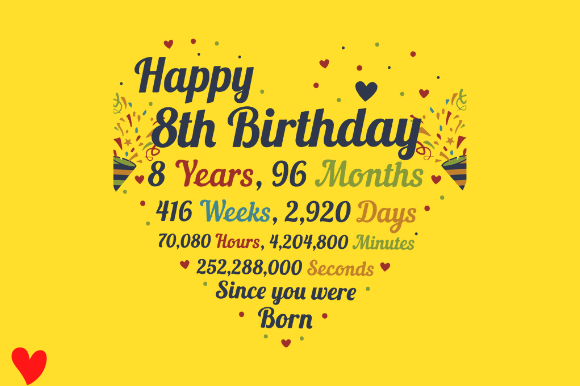
The moment you load the embroidery file into your digitizing software, the layout speaks for itself. The phrase "8TH BIRTHDAY" carries a specific energy—it is celebratory, milestone-driven, and inherently personal. In terms of visual mood, the design leans toward a clean, modern aesthetic that feels appropriate for a growing child or a young teen. It avoids the cluttered, overly childish motifs often found in birthday designs, which makes it versatile for a wider age range.
From a designer’s perspective, the composition is balanced. The text is likely the focal point, suggesting that the satin stitch work on the letters will be the primary vehicle for visual impact. This is a smart choice. Large, bold lettering tends to digitize well because it allows for clear thread coverage without getting lost in the fabric weave. The graphic element accompanying the text appears to support the typography rather than compete with it, creating a cohesive unit that reads clearly even from a distance. This clarity is crucial for custom apparel where the wearer wants the message to be instantly recognizable.
Real-World Application: Where Does This Shine?
I frequently think about where a design like this fits best in a small business inventory. The 8TH BIRTHDAY theme is perfect for personalized gift scenarios. Imagine preparing an order for a local boutique or an Etsy shop specializing in children’s wear. This design would excel on a high-quality cotton sweatshirt or a soft t-shirt for a child turning eight. The age specificity adds value; parents are often looking for items that mark the exact year, making this more relevant than a generic "Happy Birthday" motif.
Beyond clothing, consider non-apparel applications. A sturdy canvas tote bag is an excellent candidate. The flat surface provides stability, allowing the fill stitch areas to lay smoothly without distortion. Similarly, a kitchen towel or a tea towel could benefit from this design as a unique housewarming or birthday gift. The graphic nature of the design translates well to home decor items, adding a pop of personality to everyday objects.
For the craft fair crowd, this design is ideal for creating embroidered patches. If the digitization includes a sufficient border, iron-on or sew-on patches are a low-risk, high-margin item. They allow customers to add a personalized touch to backpacks, denim jackets, or hats. The versatility here is key; the same digital asset can feed multiple revenue streams within a craft business.
Technical Performance and Stitch Quality
When evaluating any digital embroidery file, stitch density is paramount. For a text-heavy design like this, we need to ensure that the satin stitch on the letters is dense enough to hide the underlying fabric but not so dense that it causes puckering. Given the typical structure of such designs, the focus should be on crisp edges. If the corners of the letters are rounded off due to poor digitizing, the professional feel is lost. However, assuming standard quality control, the straight lines and curves in "8TH BIRTHDAY" should render sharply.
Thread color selection plays a massive role in the final appeal. On light fabrics, darker threads will provide strong contrast, making the design pop. On dark fabrics, lighter threads or metallic options might be necessary to maintain visibility. I often advise testing designs in black-and-white mockups to check contrast levels before committing to expensive specialty threads. The graphic nature of this design suggests it works well with solid colors, but if there are accent elements, they must be distinct.
The use of different stitches—likely a mix of satin stitch for outlines and running stitch or fine fill for details—adds texture. This variety keeps the eye moving across the design. For a child’s garment, durability is also a concern. The stitching needs to withstand frequent washing. Designs with large, open spaces can sometimes snag, so checking the stability of any decorative accents is important. If the design relies heavily on tiny, isolated stitches, those may require careful trimming and cleaning after the run.
Fabric and Stabilizer Considerations
No design exists in a vacuum; it interacts with the material it is stitched into. For custom apparel like t-shirts, a cut-away stabilizer is often recommended to prevent stretching over time, especially if the shirt is made of jersey knit. For woven fabrics like those used in tote bags or aprons, tear-away stabilizer might suffice, but wash-away options leave a cleaner finish if the backing is visible.
Textured fabrics, such as heavy fleece or corduroy, present challenges. The needle penetration can become uneven, and the thread colors may get lost in the nap of the fabric. I generally recommend sticking to smooth, tightly woven fabrics for this type of graphic design to ensure maximum clarity. Stretchy fabrics require extra care; if the hoop tension is too high, the fabric will distort, warping the text and making the design look unprofessional.
Commercial Viability and Customer Trust
For Etsy sellers and small shop owners, the perceived value of a handmade item is directly tied to its execution. A well-executed embroidery project signals quality and attention to detail. When a customer receives a sweatshirt with a crisp, centered "8TH BIRTHDAY" design, they perceive higher value than if the stitching were loose or misaligned. This design supports that professionalism by offering a clean, legible message.
Furthermore, the specificity of the age helps with marketing. It targets a niche market segment—parents celebrating a specific milestone—which can reduce competition compared to generic holiday designs. This targeted approach can improve conversion rates for printable mockups and actual listings. Buyers are looking for solutions to their gifting problems; this design offers a ready-made solution for the eighth birthday dilemma.
Practical Designer Notes Before You Stitch
Before you rush into production, keep these practical tips in mind:
- Test First: Always stitch a test version on scrap fabric that mimics your final material. Check for thread breaks, tension issues, and alignment.
- Hoop Size: Confirm that the design fits comfortably within your machine’s hoop size with adequate margin for hooping stability. Do not stretch the design beyond its intended dimensions.
- Stitch Density: Inspect the digitization for any areas that might be too dense or too sparse. Adjust thread weights if necessary to balance the look.
- Licensing: Verify the license terms for commercial use. Ensure you have the right to sell finished products made from this design asset, especially if you are using it for Print On Demand services.
- Mockups: Create realistic mockups to show customers how the design looks on different garments. This helps manage expectations regarding scale and placement.
In conclusion, the 8TH BIRTHDAY Graphic Design is a solid addition to any embroiderer’s library. It balances simplicity with style, making it suitable for a wide range of handmade products. Whether you are creating a one-off gift for a family member or building a catalog of commercial embroidery items, this design offers reliable performance and broad appeal. Just remember that the magic happens in the details—proper stabilization, correct thread choice, and careful finishing are what separate a good hobbyist result from a professional-grade product.